In the dynamic world of fashion retail, women’s clothing stores face unique obstacles. As we explore what are the most common challenges in women's fashion retail, we uncover issues that can hinder growth and success. From changing customer preferences to inventory management, these challenges require careful attention.
One significant hurdle is understanding the ever-evolving trends and preferences of female consumers. Retailers often struggle to keep their inventory aligned with what women want. Furthermore, the increasing competition in the fashion industry makes it hard to stand out. Many retailers find it difficult to create a unique brand identity that resonates with their target audience.
Another challenge is the sustainability movement gaining momentum among consumers. Many shoppers now prioritize eco-friendly products. However, sourcing sustainable materials can increase costs and complicate supply chains. Retailers must navigate these complexities while maintaining profitability. Addressing these common challenges requires a blend of creativity, strategy, and adaptability.
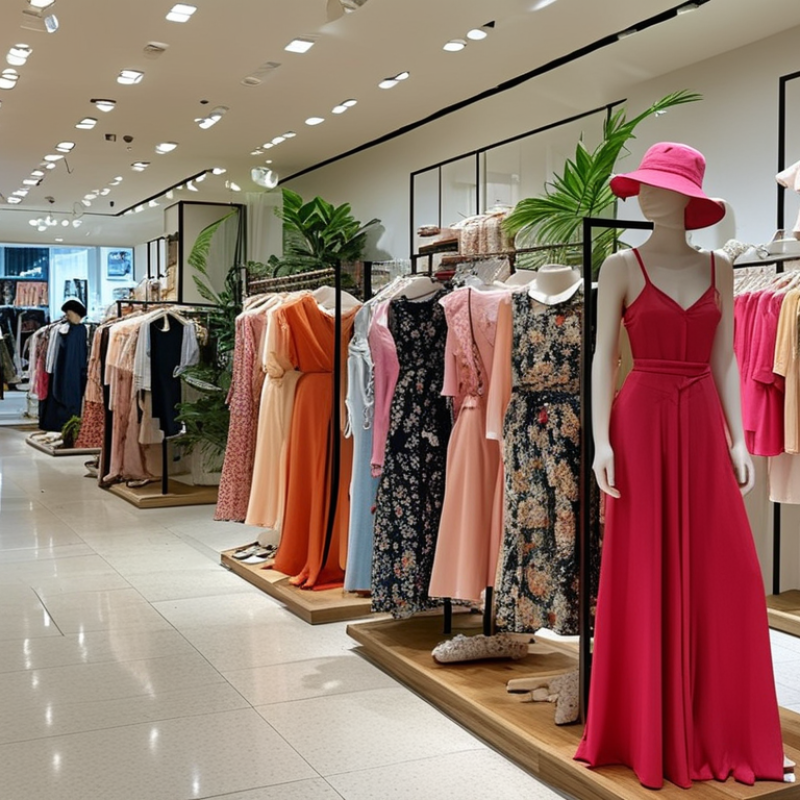
Identifying Key Challenges in Women's Fashion Retail
In women's fashion retail, identifying key challenges is crucial for success. Many retailers struggle with inventory management. For instance, overstocking can lead to unsold items, resulting in markdowns that hurt profits. Conversely, understocking can lead to missed sales opportunities. A delicate balance is essential.
Another significant challenge is understanding consumer preferences. Fashion trends change rapidly. Retailers must stay informed and adapt to these shifts. Engaging with customers through social media and feedback channels can help. However, many still rely on outdated methods, leading to disconnection.
Additionally, pricing strategies pose difficulties. Setting prices too high can drive away customers, while too low can diminish perceived value. Creating a pricing model requires careful analysis. Retailers often underestimate the importance of this decision. With competition rising, getting it right is more important than ever.
Analyzing Consumer Trends and Preferences in 2026
In 2026, understanding consumer trends is vital for success in women's fashion retail. Studies indicate that 75% of women prefer brands that prioritize sustainability. Eco-friendly practices are not just a trend; they are becoming essential. This shift reflects a deeper awareness among consumers. The demand for sustainable materials continues to rise. Brands that adapt will likely see increased loyalty.
Tips: Consider offering transparent insights about your sourcing processes. This helps build trust with consumers.
Another significant trend is personalization. Around 65% of shoppers expect personalized shopping experiences. They want recommendations based on their preferences. Retailers can achieve this through data analytics. Tailored marketing strategies can engage customers effectively. However, juggling personalization and privacy remains a challenge.
Tips: Regularly assess your data policies to ensure compliance. Protecting consumer information is paramount.
Lastly, the influence of social media cannot be overstated. By 2026, over 80% of buying decisions will be influenced by social platforms. Brands must engage with their audience online. Ignoring this could lead to missed opportunities. Yet, crafting authentic content is a challenge many face. It requires constant innovation and a genuine connection with consumers.
Strategies for Enhancing Inventory Management and Supply Chains
Inventory management and supply chain optimization are critical for women's fashion retail success. According to a report from McKinsey, 79% of supply chain executives in the fashion industry indicate that inventory costs have increased over the past year. Many retailers struggle with overstock and stockouts, which can lead to lost sales and unnecessary markdowns. Establishing a robust inventory management system is essential for mitigating these issues.
Real-time data analytics can significantly improve forecasting and demand planning. By leveraging technology, retailers can analyze past sales trends and customer preferences. This refined targeting allows for better inventory allocation and reduces the risk of excess stock. Additionally, adopting just-in-time (JIT) supply chain practices can enhance responsiveness to changing market dynamics. However, implementing JIT requires a delicate balance, as it can lead to vulnerabilities in case of disruptions.
Collaboration with suppliers is equally important. Establishing strong relationships can enhance communication and streamline processes. A 2022 Gartner report noted that companies with collaborative supplier relationships saw a 30% reduction in lead times. Yet, many retailers often overlook this aspect, leading to inefficient operations. Ensuring that suppliers understand retail cycles and consumer demands can optimize the entire supply chain and lead to improved profitability.
Leveraging Technology for Improved Customer Experience
In today's competitive landscape, women's fashion retail faces unique challenges. Technology can be a powerful ally in overcoming these hurdles. According to a recent report by McKinsey, 70% of consumers now prefer personalized shopping experiences. Leveraging data analytics enables retailers to tailor recommendations and improve engagement. By integrating AI-driven tools, brands can predict trends and curate inventories accordingly.
Mobile shopping is on the rise, with 54% of consumers using their smartphones for fashion purchases. However, many retailers still struggle to optimize their mobile platforms. Ensuring a seamless user experience is critical. Simple navigation and fast load times can significantly enhance customer satisfaction. Yet, some retailers overlook these details, losing potential sales opportunities.
Social media channels are essential for reaching target demographics. According to Statista, 60% of consumers discover fashion brands through platforms like Instagram and Pinterest. This emphasizes the need for engaging content and strategic partnerships. Many retailers need to refine their approach to influencer marketing and brand collaborations. Continuously assessing these strategies can yield better results and foster loyalty among customers.
2026 How to Overcome Common Challenges in Womens Fashion Retail? - Leveraging Technology for Improved Customer Experience
| Challenge |
Technology Solution |
Customer Benefit |
Implementation Example |
| Inventory Management |
AI-driven inventory forecasting |
Reduced stockouts and overstock |
Using algorithms to predict demand trends |
| Customer Personalization |
Data analytics for personalized recommendations |
Enhanced shopping experience |
Tailored recommendations based on past purchases |
| Omni-channel Experience |
Integrated online and offline systems |
Seamless customer journey |
Unified inventory across platforms |
| Supply Chain Transparency |
Blockchain for traceability |
Increased trust and accountability |
Tracking product journey from origin to store |
| Sustainability |
Eco-friendly production technologies |
Attracting environmentally conscious shoppers |
Utilizing recycled materials in production |
Building a Sustainable Brand Identity in Women's Fashion Retail
Building a sustainable brand identity in women's fashion retail requires a unique approach. Consumers today are conscious of their purchasing decisions. They seek brands that align with their values. Emphasizing sustainability can set a brand apart in a crowded market.
Creating a sustainable brand identity involves transparency. Share the story behind your products. Showcase materials that are eco-friendly and responsibly sourced. Customers appreciate knowing how garments are made. This builds trust and loyalty. Engaging with local communities can enhance this connection. It’s not just about selling clothes; it’s about telling a story.
Marketing strategies must evolve alongside consumer expectations. Social media offers a platform for engagement, but authenticity is key. Brands should participate in open conversations about their practices. Mistakes can happen, and acknowledging them is essential. This creates a sense of reliability and ethical responsibility that resonates with today’s consumers. Reflecting on your journey demonstrates growth and commitment to sustainability.
FAQS
: Retailers often face inventory management issues. Overstocking leads to markdowns, while understocking results in lost sales.
Engaging with customers through social media can help. However, many still use outdated methods and risk disconnect.
Setting prices too high can drive customers away. If prices are too low, perceived value decreases.
Brands must be transparent about their products and showcase eco-friendly materials. This builds customer trust.
Sharing the story behind products helps connect with customers. It shows that the brand cares about more than just sales.
Authenticity fosters trust. Brands should openly discuss their practices and acknowledge mistakes to resonate with consumers.
Engaging in local initiatives enhances relationships. It's about more than selling clothes; it’s about community involvement.
Staying informed about changes and quickly adapting is crucial. Slow responses can lead to missed opportunities.
Feedback helps retailers stay aligned with consumer preferences. Ignoring it can result in disconnection and lost sales.
Acknowledge mistakes openly. Reflecting on challenges demonstrates commitment to growth and ethical practices.
Conclusion
In exploring the topic of "2026 How to Overcome Common Challenges in Women's Fashion Retail," it is crucial to address what are the most common challenges in women's fashion retail. These include fluctuating consumer preferences, inventory management issues, and the necessity for a strong sustainable brand identity. As consumer trends evolve, understanding the preferences of female shoppers in 2026 will be essential for retailers aiming to stay relevant and competitive.
To effectively tackle these challenges, strategies must focus on enhancing inventory management and supply chain processes, alongside leveraging technology to improve the overall customer experience. Additionally, building a sustainable brand identity can not only attract environmentally conscious consumers but also differentiate a brand in a crowded marketplace. By embracing these strategies, retailers can better position themselves to meet the demands of today’s shoppers and thrive in the dynamic landscape of women's fashion retail.

 Dahab Fashion