Choosing the right fabrics is essential in women's fashion collections. Understanding how to choose fabrics for women's fashion collections can significantly impact design choices and customer satisfaction. According to recent market research, fabric quality influences 70% of purchasing decisions in the fashion industry. Shoppers are becoming increasingly discerning. They seek not only style but also the tactile experience of fabrics.
Different fabrics serve various functions and aesthetics. For instance, while cotton is celebrated for its comfort, silk is prized for its elegance. Yet, many designers overlook practical aspects such as durability and maintenance. A report from the Fashion Institute indicates that 40% of returns are due to fabric-related issues. This statistic highlights the importance of selecting the appropriate material. The risk of failure in choice is high; fabrics need to resonate with both brand identity and customer preferences.
Fashion is ever-evolving, and sustainability is an emergent demand. Consumers are increasingly drawn to eco-friendly fabrics. However, this also raises questions about cost and accessibility. Designers must balance ethical considerations with market trends. Choosing fabrics requires a thoughtful approach, as each decision affects overall brand perception and sales success.
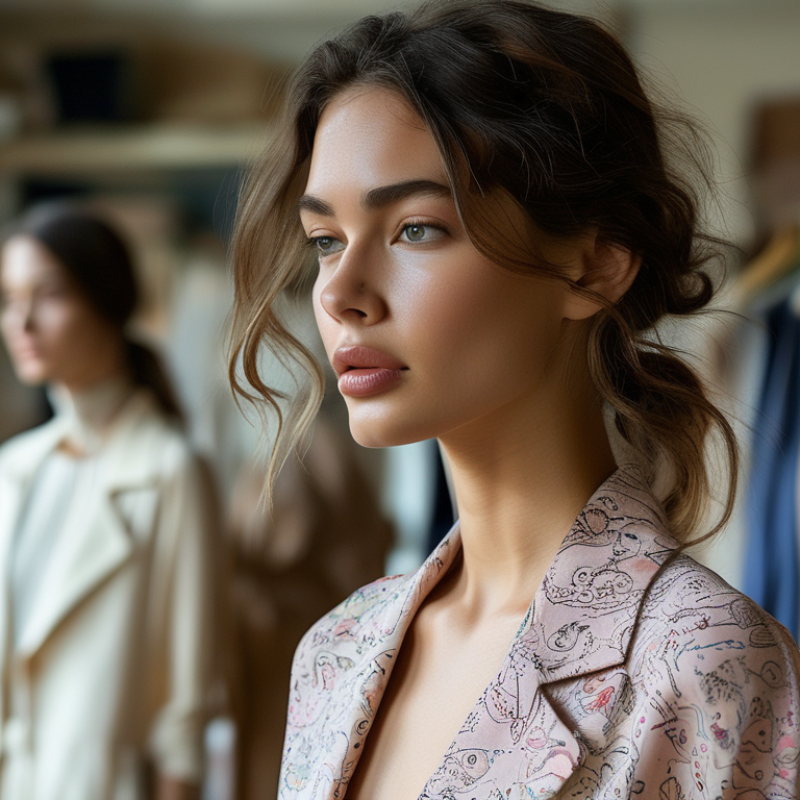
Understanding Different Types of Fabrics Used in Women's Fashion
Choosing the right fabrics is crucial in women's fashion collections. Different fabrics can dramatically affect both the aesthetics and functionality of garments. Natural fibers like cotton and linen are often praised for their breathability. They are great for warmer climates. According to a survey by the Fashion Institute of Technology, about 70% of consumers appreciate sustainability in fabric choices. This trend highlights the growing demand for eco-friendly materials.
However, synthetic fabrics like polyester and nylon also play a pivotal role. They are durable and low-maintenance, making them popular in activewear. The global market for synthetic fibers is expected to reach $74 billion by 2025, reflecting their significance in fashion. Yet, some consumers express concerns about their environmental impact, prompting a shift towards recycled synthetics. This change illustrates the need for brands to balance performance with ecological responsibility.
Understanding the characteristics of different fabrics is essential. For instance, silk offers a luxurious feel but may require special care. Conversely, fabrics like rayon mimic silk's sheen while being easier to handle. Designers need to consider the end use of their garments. Selecting the wrong fabric can lead to issues like poor drape or comfort. Inadequate fabric choices might hinder a collection's success, emphasizing the importance of informed decision-making.
Evaluating Fabric Quality: Key Characteristics to Consider
When evaluating fabric quality for women's fashion collections, several key characteristics emerge as crucial. Firstly, the fabric’s composition significantly impacts its durability and feel. Natural fibers like cotton and linen are breathable and comfortable but may require more care. In contrast, synthetic fibers such as polyester offer resilience and longevity but might lack breathability. According to the American Textile Manufacturers Institute, over 60% of consumers prioritize comfort when selecting garments, underscoring the importance of fabric choice.
Another characteristic to assess is the weight and drape of the fabric. Light fabrics are ideal for flowy summer dresses, while heavier materials work well for structured pieces. A study by the Textile Research Journal shows that fabric weight influences consumer purchasing decisions by 40%. Additionally, evaluating the fabric’s finish can reveal its quality. For instance, a well-finished textile should resist wrinkling or fading. Many designers overlook this aspect, often leading to issues in long-term wearability.
Lastly, check for fabric certifications, which assure compliance with environmental standards. Fabrics marked as sustainable can enhance a brand's appeal. However, only 25% of consumers are aware of these certifications. Therefore, businesses need to educate their clientele on their significance. By considering these attributes, designers can create high-quality, appealing collections that resonate with informed consumers.
Top 10 Fabric Qualities to Consider for Women's Fashion
This bar chart showcases the top qualities to assess when selecting fabrics for women's fashion collections. Each quality is represented by its importance level on a scale from 1 to 10.
The Importance of Fabric Weight in Fit and Feel
Choosing the right fabric is crucial in women's fashion. Fabric weight directly impacts how a garment fits and feels. Heavier fabrics often provide structure, making them ideal for tailored pieces. Lightweight fabrics, on the other hand, offer a relaxed drape, perfect for flowing dresses or casual wear. According to industry experts, the fabric weight can alter a garment's silhouette. Women express varying preferences, sometimes favoring lighter materials for comfort.
Understanding different fabric weights is essential. For example, a cotton twill might weigh around 5.6 ounces per yard, suitable for pants and jackets. In contrast, a silk chiffon can weigh as little as 2 ounces. This difference affects breathability and layering options. The right weight ensures that the clothing not only feels good but also flatters the body shape.
When selecting fabrics, consider body type and climate. For warmer regions, breathable fabrics like linen can enhance comfort. If aiming for a professional look, opt for medium-weight fabrics for versatility. Pay attention to how the fabric moves. Poor choices can lead to discomfort and unflattering fits. Balancing style with practicality is key in achieving a polished appearance.
Choosing Fabrics Based on Seasonality and Climate
Choosing the right fabric for women's fashion involves understanding seasonality and climate. In warmer months, breathable fabrics are essential. Natural fibers such as cotton and linen allow air circulation. According to industry research, cotton has a 65% market share in the apparel sector, reflecting its popularity. These materials help to regulate body temperature, keeping the wearer comfortable.
In contrast, colder seasons require heavier fabrics. Wool and cashmere are excellent choices for their insulation properties. A report from the Textile Exchange shows that demand for sustainable wool has increased by 20% in recent years. This reflects a growing trend toward eco-friendly options in fashion. However, sourcing issues plague sustainable fabrics. Designers may struggle to find reliable suppliers that meet both quality and sustainability standards.
The climate also plays a role in fabric choice. In humid areas, moisture-wicking fabrics can be beneficial. These materials pull sweat away from the body, enhancing comfort. However, the effectiveness of these fabrics can vary. Some options may feel scratchy against the skin. Choosing fabric is not just about aesthetics; it requires careful consideration of how they perform in different environmental conditions.
Top 10 Tips for Choosing Fabrics in Women's Fashion Collections
| Tip Number |
Fabric Type |
Season |
Climate Suitability |
Care Instructions |
| 1 |
Cotton |
Spring/Summer |
Warm, Humid |
Machine wash cold |
| 2 |
Linen |
Spring/Summer |
Hot, Humid |
Hand wash |
| 3 |
Wool |
Fall/Winter |
Cold, Dry |
Dry clean only |
| 4 |
Silk |
All Year |
Variable |
Dry clean only |
| 5 |
Polyester |
All Year |
Variable |
Machine wash cold |
| 6 |
Rayon |
Spring/Summer |
Warm, Humid |
Dry clean preferred |
| 7 |
Denim |
Fall/Winter |
Cold, Dry |
Machine wash cold |
| 8 |
Velvet |
Fall/Winter |
Cold, Dry |
Dry clean only |
| 9 |
Jersey |
Spring/Summer |
Warm, Humid |
Machine wash cold |
| 10 |
Chiffon |
Spring/Summer |
Warm, Humid |
Hand wash in cold water |
Sustainable Fabric Options for Eco-Friendly Fashion Choices
The growing demand for sustainable fashion has reshaped women's collections. Consumers increasingly prefer eco-friendly fabrics. Reports indicate that over 60% of women consider sustainability when purchasing garments. This trend highlights the industry's shift towards responsible sourcing and production.
Natural fibers like organic cotton and hemp have gained popularity. Organic cotton uses 88% less water than conventional cotton, making it a viable choice. Hemp requires no pesticides and thrives in diverse climates. These benefits appeal to environmentally conscious shoppers. However, challenges remain in scaling production to meet rising demands.
Synthetic alternatives, like recycled polyester, offer another option. These fabrics reduce waste and lower carbon footprints. Yet they rely on petroleum, which poses ethical concerns. Finding the right balance between performance and sustainability is essential. Educating designers and consumers about these fabrics can foster more informed choices in fashion.
FAQS
: Consider fabric composition, weight, drape, finish, and certifications for environmental standards.
Natural fibers are comfortable but need care. Synthetic fibers are durable but less breathable.
Fabric weight significantly influences consumer choices. It impacts how garments fit and flow.
Poor finishes can lead to wrinkling and fading, affecting the long-term wearability of garments.
Certifications assure environmental compliance. They enhance brand appeal but many consumers are unaware of them.
Scaling production of eco-friendly fabrics to meet demand remains a major challenge for the industry.
Organic cotton uses much less water compared to conventional cotton, making it more sustainable.
It helps consumers make informed choices and encourages sustainable fashion practices.
Some synthetic fabrics rely on petroleum, raising questions about environmental impact and sustainability.
More women are prioritizing sustainability in their purchases, impacting industry practices and choices.
Conclusion
When considering how to choose fabrics for women's fashion collections, it is essential to understand the various types of fabrics available, as each brings its unique properties to a design. Evaluating fabric quality is crucial, focusing on key characteristics such as texture, durability, and ease of care. Additionally, the weight of the fabric significantly impacts the fit and feel of the garment, influencing how it drapes on the body.
Seasonality and climate play vital roles in fabric selection as well; lightweight, breathable materials are ideal for warmer weather, while thicker fabrics are suited for colder months. Moreover, with the growing demand for eco-friendly fashion, incorporating sustainable fabric options can appeal to environmentally conscious consumers. By thoughtfully considering these factors, designers can make informed choices that enhance their women's fashion collections.

 Dahab Fashion