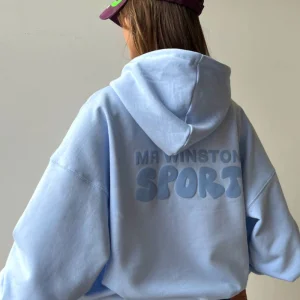
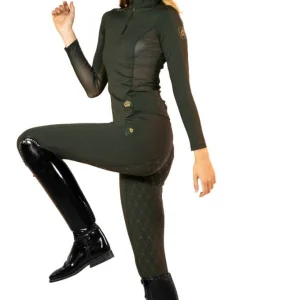
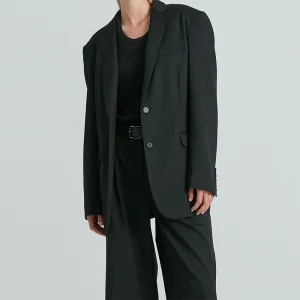
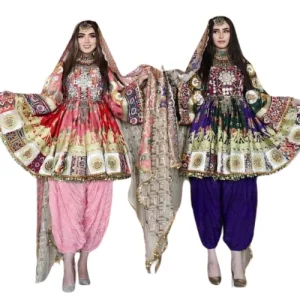
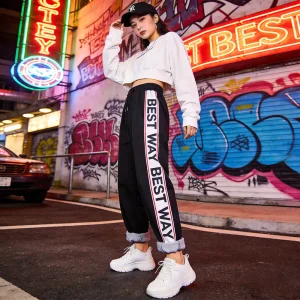
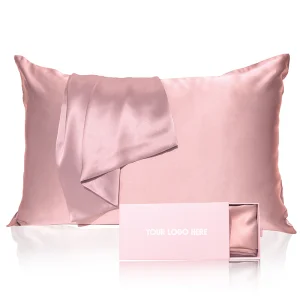
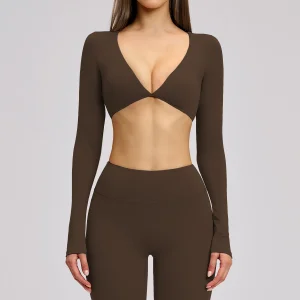
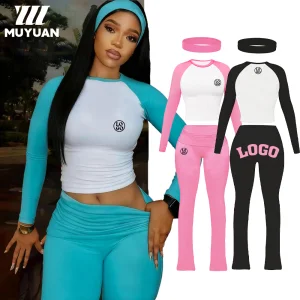
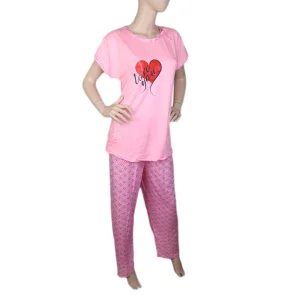
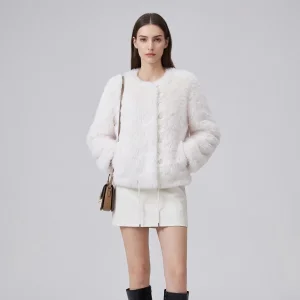
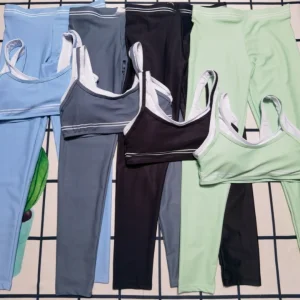
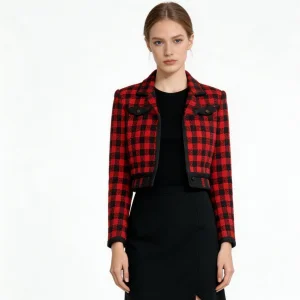
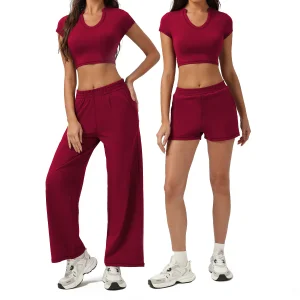
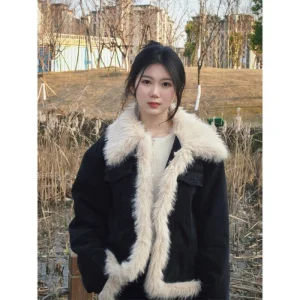
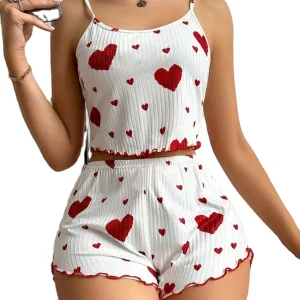
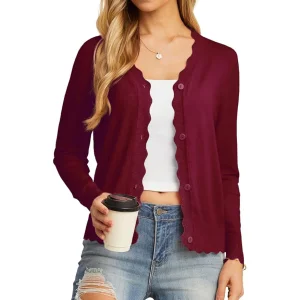
Explore our foundational range of specialized fashion, activewear, and customized clothing solutions manufactured under strict OEM compliance standards.
The global women's tunics market has undergone a significant transformation from traditional ethnic wear to a highly sophisticated and versatile segment within contemporary fashion. Serving as an essential bridging garment, the tunic spans several major categories including premium resort wear, business-casual corporate wear, loungewear, and functional athleisure. The demand for lightweight, draping, and breathable materials has elevated tunics to a staple in seasonal transition collections across North America, Europe, and the Asia-Pacific region.
In the contemporary B2B supply chain, retailers and fashion brands face shifting consumer expectations. Modern consumers demand structural elegance combined with relaxed comfort, driving designers to prioritize material engineering, sustainability, and precise garment sizing. Leading regional markets show distinct preference shifts: the European market focuses heavily on ecological certifications (such as GOTS and OEKO-TEX Standard 100) and structured, minimalist silhouettes; North American buyers prioritize moisture-wicking properties, athleisure-focused comfort, and extensive size inclusivity, including plus-size segments; and the Middle East demands longer lengths, opulent embellishments, and higher density opacity in fabrics.
Establishing partnerships with advanced custom OEM (Original Equipment Manufacturer) factories allows brands to achieve structural differentiation, manage volatile seasonal demand curves, and shorten product development cycles. Utilizing localized hubs like Guangzhou, China—renowned for its rapid material access and sophisticated textile infrastructure—enables international apparel houses to optimize their sourcing strategies from conceptual prototype to commercial distribution.
Sqm Production Facility
Skilled Garment Craftsmen
Years Industry Leadership
Global Export Destinations
High-quality tunic manufacturing relies on advanced material composition and fabric structure. The weight of the fabric, measured in Grams per Square Meter (GSM), must align precisely with the intended style. Summer and resort tunics generally require a feather-light range of 80 to 130 GSM, utilizing fluid fabrics like Tencel, viscose, modal, and premium silk. Autumn/Winter structured collections, conversely, necessitate 160 to 240 GSM, employing stable structures like combed cotton, heavy linen, and double-knit jacquards.
OEM factories must specialize in custom textile blends to optimize tactile sensation, colorfastness, drape, and tensile strength. Our fabric engineering matches raw materials with specific performance requirements:
| Fabric Class | Common Blends | Typical Weight (GSM) | Key Attributes & Performance Metrics |
|---|---|---|---|
| Lenzing™ Modal / Tencel Lyocell | 80% Lyocell, 20% Organic Cotton | 110 - 140 GSM | Highly fluid drape, silky texture, moisture management, bio-degradable certification. |
| Premium Linen & Linen Blends | 55% Linen, 45% Viscose (or Cotton) | 130 - 180 GSM | Natural slub texture, maximum breathability, reduced wrinkling index via viscose inclusion. |
| Performance Knit / Athleisure | 88% Recycled Polyester, 12% Elastane | 150 - 210 GSM | 4-way stretch stability, moisture-wicking treatment, UPF 50+ UV protection rating. |
| Mercerized Combed Cotton | 100% Cotton (Double-pass carded) | 120 - 160 GSM | Lustrous finish, pill-resistant, excellent dimensional stability after repeated washing. |
In addition to raw materials, technical treatments such as anti-microbial coatings, crease-resistant finishes (Durable Press), and eco-friendly reactive dyeing play an essential role in premium retail markets. Advanced color management, utilizing Pantone Matching System (PMS) color matching, ensures brand consistency across multiple manufacturing batches.
Sourcing from a leading OEM manufacturer like Guangzhou Dahab Fashion Co., Ltd. ensures a structured, data-driven workflow that reduces product development errors. Our manufacturing pipeline integrates modern CAD/CAM software (such as CLO 3D or Gerber Technology) to generate virtual samples, allowing brands to evaluate fit, drape, and pattern placement before fabric is cut. This 3D prototyping phase significantly minimizes environmental waste and shortens sample validation timelines.
Conversion of 2D tech packs into realistic 3D CAD renders. Reduces revisions and speeds up design approvals.
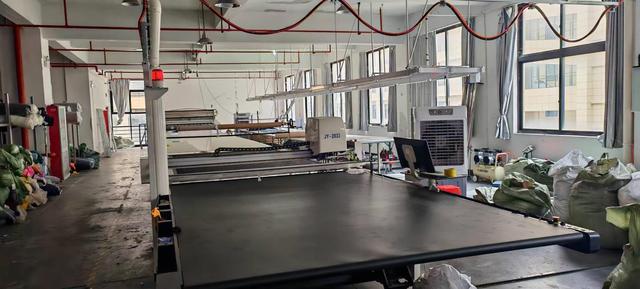
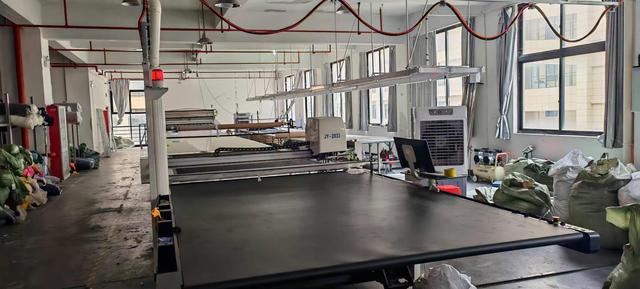
Computer-controlled CNC cutting machines process fabric plies with millimeter accuracy, preserving yarn alignment.
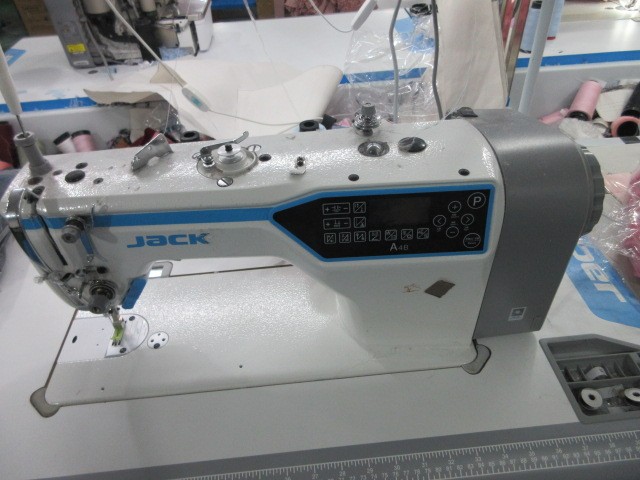
Application of flatlock, overlock, and double-needle cover stitches adjusted for maximum seam strength.
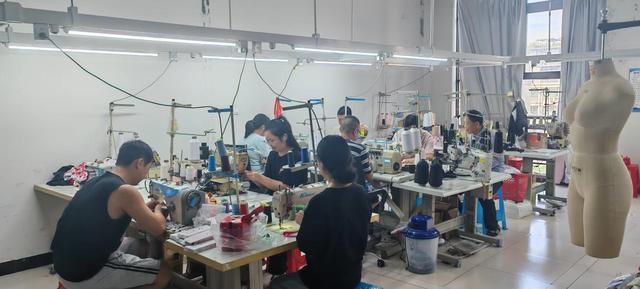
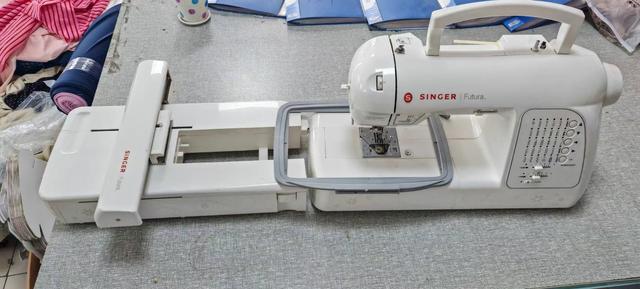
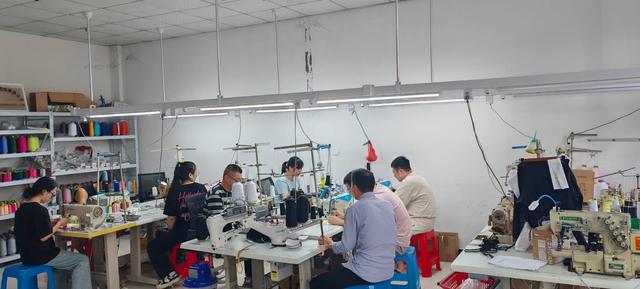
During the sewing phase, we utilize specialized sewing techniques tailored to the fabric class. Sheer silk and viscose tunics are constructed using French seams (clean finish) to prevent fraying and provide a premium interior finish. For stretch-based and activewear tunics, we employ 4-needle 6-thread flatlock stitching to guarantee flexibility under high tension. Aesthetic details like 3D puff print, screen printing, custom dye sublimation, and intricate embroidery are executed in-house using computerized multi-head embroidery systems.
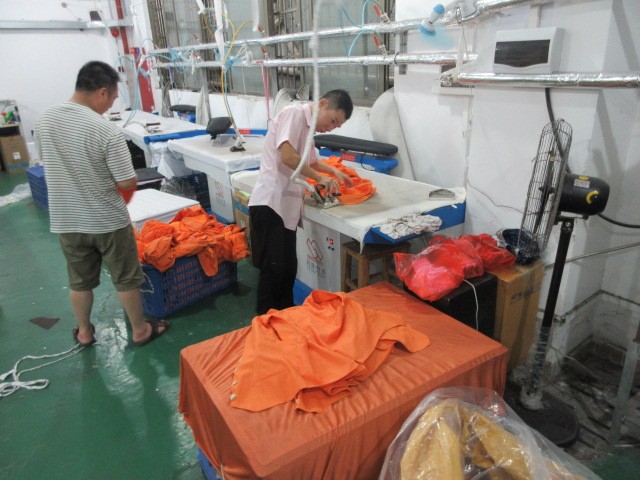
For modern fashion buyers, supply chain transparency and product quality are critical. To maintain our reputation as a trusted manufacturing partner, Guangzhou Dahab Fashion Co., Ltd. integrates quality control checks at every stage of production, from initial yarn checking to final packaging. Our facilities operate in compliance with leading international manufacturing standards:
Our commitment to these quality frameworks ensures that every custom women's tunic meets the strict requirements of major retail markets, maintaining excellent retail performance and reducing customer returns.
Guangzhou Dahab Fashion Co., Ltd. is a professional women's clothing manufacturer located in Guangzhou, Guangdong, China. Established in 2012, the company specializes in the design, development, and production of fashion apparel for international brands, wholesalers, retailers, boutique stores, and e-commerce businesses. With a modern manufacturing facility spanning over 16,000 square meters and a workforce of more than 260 skilled employees, Dahab Fashion provides comprehensive OEM and ODM garment solutions to customers worldwide.
The company offers a diverse range of women's clothing products, including casual wear, fashion dresses, blouses, tops, skirts, knitwear, outerwear, loungewear, business attire, and seasonal fashion collections. By combining market-driven design concepts with efficient production capabilities, Dahab Fashion helps customers create competitive apparel collections that meet changing consumer preferences across global markets.
Supported by an experienced design and product development team, the company continuously monitors international fashion trends, fabric innovations, and garment technologies. This enables Dahab Fashion to deliver stylish, functional, and commercially viable products while supporting customers with collection planning and product customization.
Quality management is integrated throughout the manufacturing process. From fabric sourcing and pattern development to cutting, sewing, finishing, and final inspection, every stage is carefully controlled to ensure consistency, durability, and customer satisfaction. The company also provides flexible private-label services, including logo application, custom packaging, fabric selection, and branding support.
With products exported to North America, Europe, the Middle East, Australia, and other international regions, Guangzhou Dahab Fashion Co., Ltd. has established long-term partnerships with clients seeking reliable apparel manufacturing solutions. The company remains committed to innovation, quality, and professional service as a trusted women's clothing manufacturer providing fashion apparel, casual wear, and OEM ODM garment solutions worldwide.
Technical, logistics, and compliance information to help you optimize your apparel procurement process.
Explore our seasonal outerwear, night suits, yoga coordinates, and eco-friendly coats manufactured for international distribution.
 Dahab Fashion