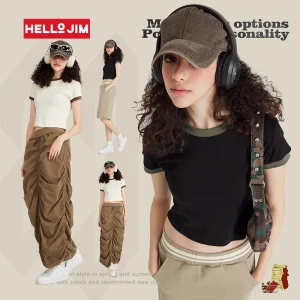
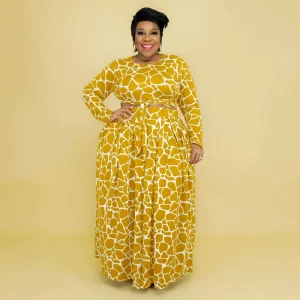
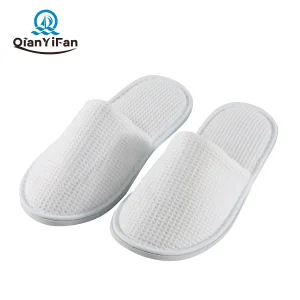
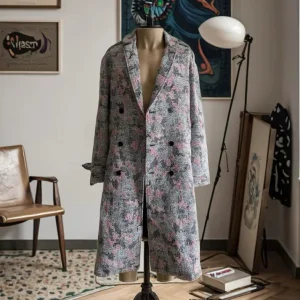
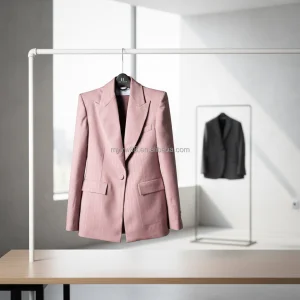
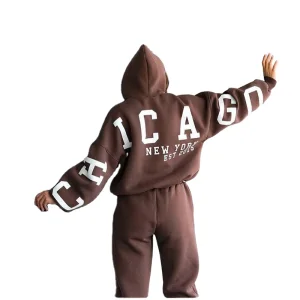
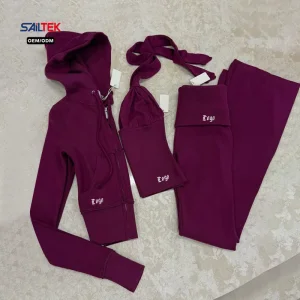
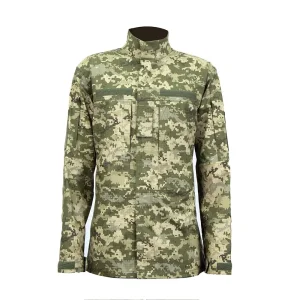
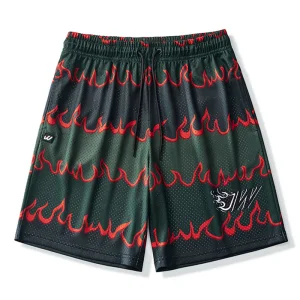
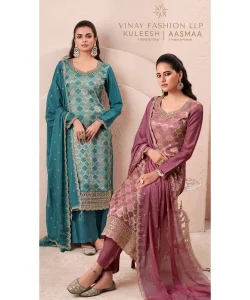
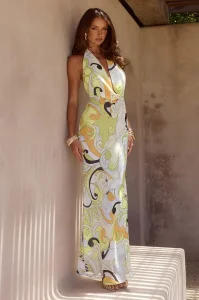
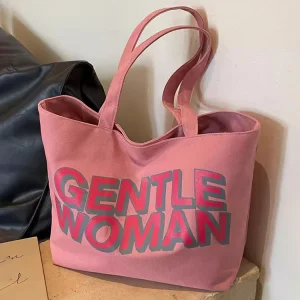
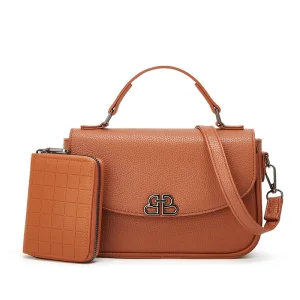
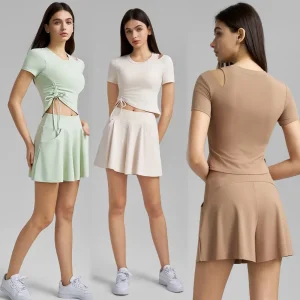
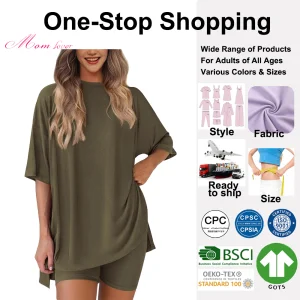
Discover our highly requested bespoke clothing collections, specialized uniform gear, and travel accessories engineered for international distribution channels.
An authoritative analysis of modern logistics, production demands, and sustainable fabric integration shaping the international fashion goods landscape.
Global supply networks for leather and premium textile accessories require integrated clusters that unite raw material tanneries, hardware suppliers, and advanced die-cutting facilities in geographical proximity to reduce lead times.
Southern Chinese manufacturing hubs utilize highly automated computer-numerical control (CNC) cutting tables, precise sewing template machines, and ultra-rigorous chemical management compliance to achieve rapid cycle iterations.
As brands prioritize E-E-A-T values, factories are pivoting toward recycled PET polyesters, organic raw canvas blends, and LWG-certified genuine leathers to align with carbon-reduction benchmarks.
Comprehensive OEM and ODM Garment & Accessory Solutions Worldwide
Guangzhou Dahab Fashion Co., Ltd. is a professional women's clothing manufacturer located in Guangzhou, Guangdong, China. Established in 2012, the company specializes in the design, development, and production of fashion apparel for international brands, wholesalers, retailers, boutique stores, and e-commerce businesses. With a modern manufacturing facility spanning over 16,000 square meters and a workforce of more than 260 skilled employees, Dahab Fashion provides comprehensive OEM and ODM garment solutions to customers worldwide.
Supported by an experienced design and product development team, the company continuously monitors international fashion trends, fabric innovations, and garment technologies. This enables Dahab Fashion to deliver stylish, functional, and commercially viable products while supporting customers with collection planning and product customization.
Quality management is integrated throughout the manufacturing process. From fabric sourcing and pattern development to cutting, sewing, finishing, and final inspection, every stage is carefully controlled to ensure consistency, durability, and customer satisfaction. The company also provides flexible private-label services, including logo application, custom packaging, fabric selection, and branding support.
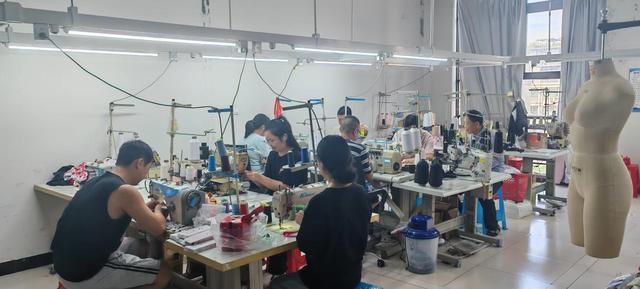
Inside Dahab Fashion's state-of-the-art facility featuring 16,000+ sqm of production space.
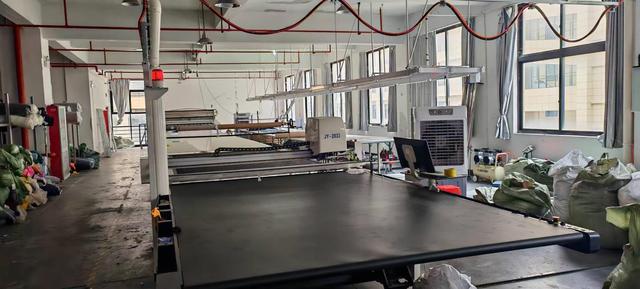
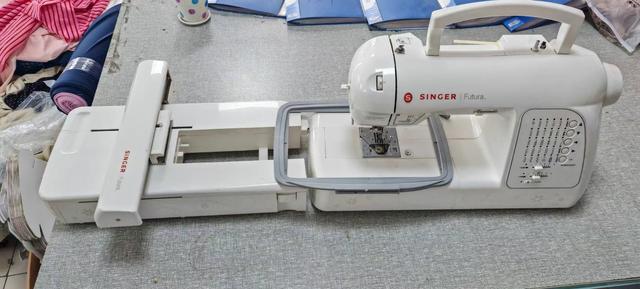
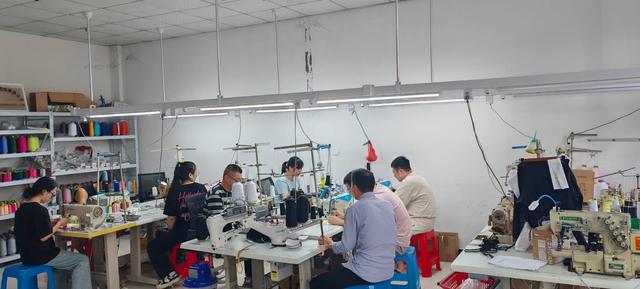
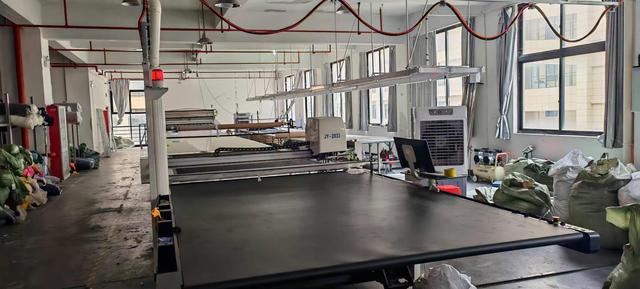
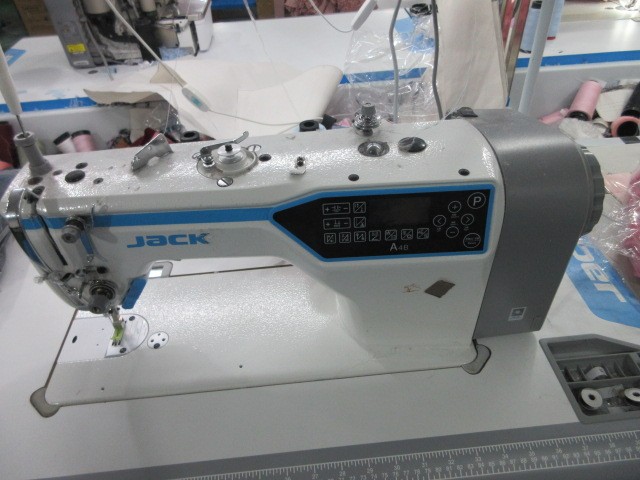
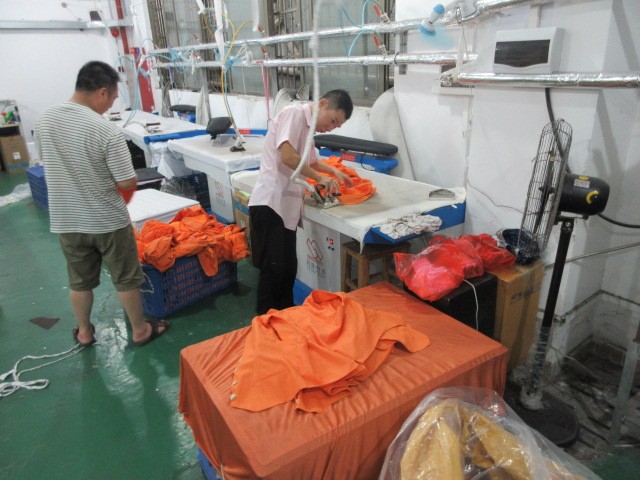
Critical metrics for global logistics compliance, material tracing, and localized design applications.
For exports to European and North American retail networks, products must undergo heavy-metal testing, phthalate content screens, and azo dye inspections to ensure zero chemical migration risks.
Optimizing high-volume production requires dynamic cellular line setups where edge painting, hardware riveting, lining sewing, and final structural checks occur in synchronized sequences to prevent bottlenecking.
While the North American market favors functional utility with oversized interior pockets and security closures, European clients demand minimal profiles with certified plant-tanned components.
Guangzhou ranks as the definitive global capital for handbag design, prototyping, and assembly. The region houses the world's most dense raw material network, located in the Huadu Shiling industrial cluster. This proximity grants manufacturers access to tens of thousands of leather varieties, advanced synthetic textiles, premium zipper systems (such as YKK and local equivalents), and rust-resistant hardware components within hours.
By consolidating all phases of production—from design drafts and computer-aided pattern design (CAD) to final edge-coating and packaging—factories reduce turnaround times to less than 15 days for standard collections. This geographical capability, paired with direct access to regional shipping lines, allows brands to maintain low inventory levels, utilizing real-time sales data to trigger replenishment batches.
Examine our highly durable functional wear, utility sports gear, and lifestyle handbags manufactured for direct worldwide delivery.
Crucial insights for purchasing managers, product development leads, and fashion entrepreneurs.
 Dahab Fashion