US/EU Import Duty (AGOA & EBA)
Sqm R&D Technical Support Base
Social Compliance & Traceable Yarn
Transit to Europe via Deepwater Port
Premium craftsmanship, automated cutting precision, and West African logistics integration
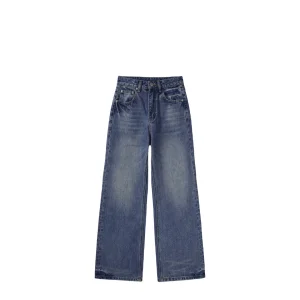
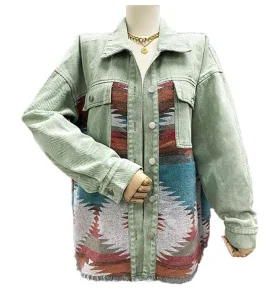
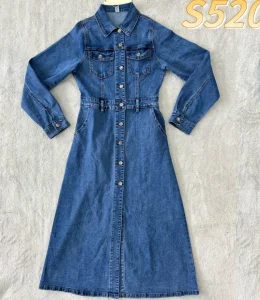
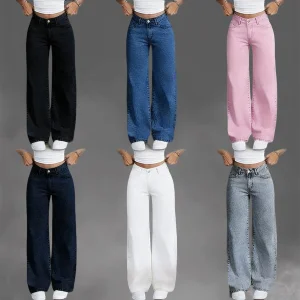
A strategic whitepaper on tariff mitigation, logistics, and vertically integrated African production
In the evolving landscape of global apparel sourcing, Sub-Saharan Africa has transitioned from a frontier market into an indispensable manufacturing node. At the epicentre of this shift is Togo, a nation strategically positioned along the West African coast. For global apparel brands, retail conglomerates, and fashion wholesalers, securing a reliable Women's Denim Apparel Manufacturer & Factory in Togo is no longer just an alternative sourcing strategy—it is a critical hedge against rising tariffs, supply chain disruptions, and escalating labor costs in traditional Asian manufacturing hubs.
Togo’s primary competitive advantage lies in its structural trade agreements. Under the African Growth and Opportunity Act (AGOA), qualifying apparel manufactured in Togo enters the United States completely duty-free and quota-free. In the denim category, where U.S. tariffs routinely range between 15% and 29.5%, this translates to immediate bottom-line savings of up to 30% for importers. Furthermore, under the Everything But Arms (EBA) initiative, Togo enjoys identical tariff-free and quota-free access to the European Union market, offering a dual-hemisphere geographical hedge for global retailers.
Logistical efficiency is anchored by the Port of Lomé, the only natural deep-water port in West Africa capable of hosting modern third-generation container vessels. With transit times to the United States East Coast hovering around 18 to 22 days, and major European ports (such as Rotterdam and Le Havre) accessible within 12 to 15 days, Togo bypasses the typical logistical bottlenecks associated with landlocked or underdeveloped regional ports. Supported by the newly developed Adétikopé Industrial Platform (PIA), the nation offers a state-of-the-art, vertically integrated ecosystem that encompasses raw cotton processing, yarn spinning, denim weaving, garment manufacturing, and advanced washing facilities within a single tax-free industrial zone.
Enjoy complete relief from import tariffs under HS codes 6203 and 6204. Our Togo facilities comply strictly with the Rules of Origin requirements, providing verifiable certification documents for expedited customs clearance.
Leverage the Port of Lomé’s high-capacity container terminals. With weekly shipping lines to key US and European maritime hubs, we guarantee predictable delivery schedules and reduced lead times.
Togo is globally recognized for high-grade West African cotton. By utilizing locally sourced, sustainable cotton certified under Cotton made in Africa (CMiA), we verify product authenticity from fiber to hanger.
Engineered and manufactured to meet global compliance standards
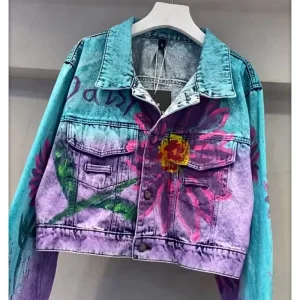
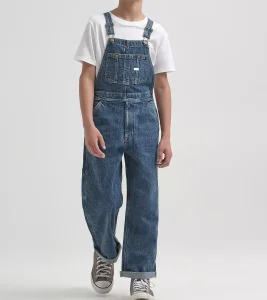
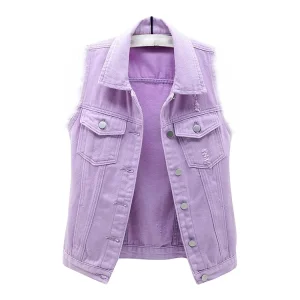
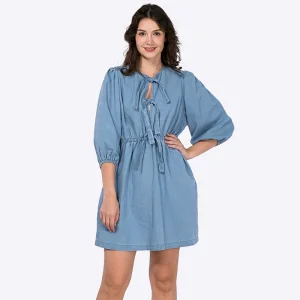
Combining over a decade of design expertise with advanced Sub-Saharan production capacities
Guangzhou Dahab Fashion Co., Ltd. stands as a premier name in professional women's clothing manufacturing. Established in 2012 in the fashion heartland of Guangzhou, Guangdong, China, the company has spent over a decade cultivating its reputation as a leading supplier for international brands, wholesalers, e-commerce retailers, and boutique chains. Spanning a modern design and engineering facility of over 16,000 square meters and employing a highly skilled workforce of more than 260 denim and apparel specialists, Dahab Fashion has established a benchmark for comprehensive OEM and ODM garment solutions.
In response to shifting global trade dynamics and the urgent demand for diversified sourcing from international retailers, Dahab Fashion strategically extended its operations by establishing direct manufacturing capabilities and partnerships in Togo. This dual-hub manufacturing strategy combines the technological, pattern-making, and fabric-sourcing expertise of the Guangzhou headquarters with the cost-effective, duty-free assembly lines of Togo.
Under this system, the initial R&D phases—including tech-pack design, CAD pattern grading, prototype sampling, and advanced material sourcing—are managed by the design and product development team in China. Once approved, production files, grading software, and custom tooling are seamlessly transferred to our Togo factory. This integration ensures that the final garments meet the exact dimensional, structural, and aesthetic requirements of global markets while leveraging the competitive labor pool and tariff exemptions of the West African manufacturing zone.
Every step of the process in Togo—from raw fabric inspection using 4-point grading systems, to computerized tension sewing, inline pocket stitching, and final metal detection—is supervised by QA managers trained at our Guangzhou headquarters. We implement a strict AQL 2.5 acceptance threshold to ensure consistent quality across high-volume production runs.
We provide full-service private-label options tailored to contemporary retail demands. This includes custom branding, embossed hardware, variable fabric weights (ranging from lightweight 6.5 oz denim for dresses to heavy 14 oz denim for structured jackets), bespoke washes, and retail-ready packaging solutions.
Achieving structural durability and design precision through advanced dry and wet processing
Denim manufacturing is unique in the apparel industry because the final character of the product is determined after the garment is stitched. Our Togo facility features an advanced washing department capable of handling complex dry and wet finishing processes. This setup allows us to execute precise, repeatable washes on scale while meeting international environmental standards.
Our wet processing setup utilizes state-of-the-art industrial washing machines equipped with microprocessor controls to ensure recipe stability across different production batches. We specialize in several finishing techniques:
1. Enzymatic Fading: Utilizing bio-cellulase enzymes to selectively degrade cellulose fibers, resulting in a soft hand-feel and high-contrast color transitions without damaging the fabric matrix.
2. Sustainable Ozone Bleaching: By feeding ozone gas into the wash drums, we oxidize the indigo dye on the yarn surface. This reduces water usage by 60% and chemical agents by 80% compared to traditional sodium hypochlorite bleaching.
3. Heavy Stonewashed Finishes: Combining volcanic pumice stone with eco-friendly chemical softeners to produce vintage patterns and textured surface wear.
Dry processing is carried out by skilled artisans using advanced tools to apply localized wear patterns. Our techniques include hand-scraping, whiskering, PP spraying (using automated booths to ensure worker safety), and localized laser etching. The laser systems recreate wear patterns directly from digital CAD files, eliminating chemical usage and ensuring consistency across thousands of units.
Scalable production runs for retail, wholesale, and private label distribution
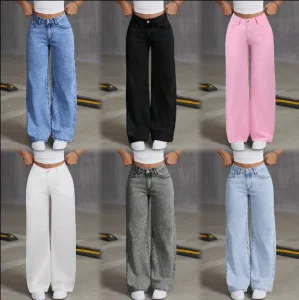

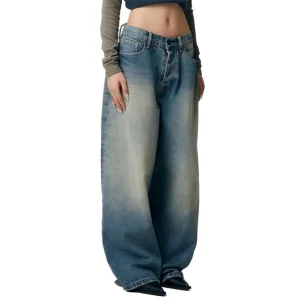

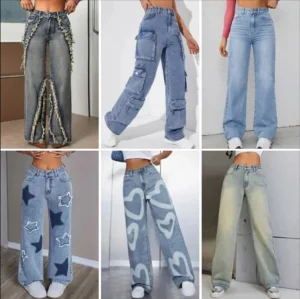
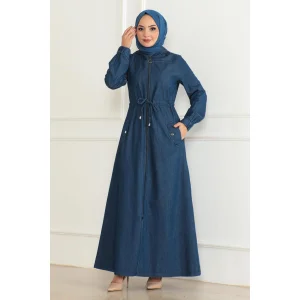
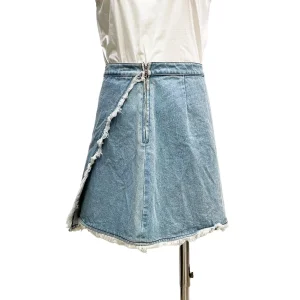
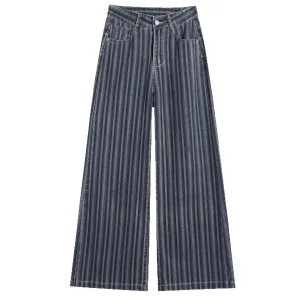
Operational standards, certifications, and environmental protection initiatives in Togo
Modern consumers and global regulatory bodies demand complete supply chain transparency. As a leading Women's Denim Apparel Manufacturer in Togo, we integrate Environmental, Social, and Governance (ESG) principles into our daily operations. Our manufacturing hub is designed to address the environmental footprint typically associated with denim production, particularly in terms of water and energy consumption.
Our Togo factory utilizes an advanced Water Reclamation Facility (WRF) that recycles up to 75% of industrial wash water. By combining biological filtration, chemical flocculation, and reverse osmosis, we treat and reuse process water, significantly reducing freshwater consumption from local aquifers. Our chemical inventory is compliant with ZDHC (Zero Discharge of Hazardous Chemicals) Level 3 standards, ensuring that no harmful alkylphenol ethoxylates (APEOs), phthalates, or heavy metals enter local waterways.
On the social front, our operations in Togo comply with WRAP (Worldwide Responsible Accredited Production) and BSCI (Business Social Compliance Initiative) standards. We support fair wages, regulated working hours, comprehensive workplace safety protocols, and continuous skill-development training. By investing in local communities, we contribute to the socio-economic development of the region while ensuring stable, high-efficiency production lines for our global brand partners.
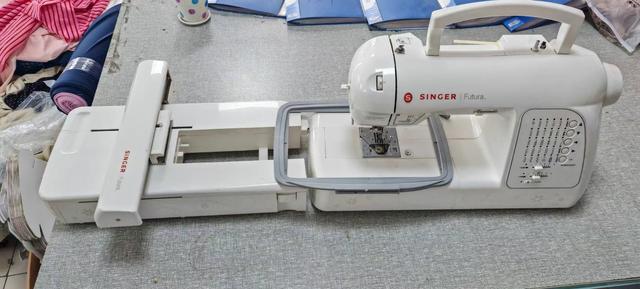
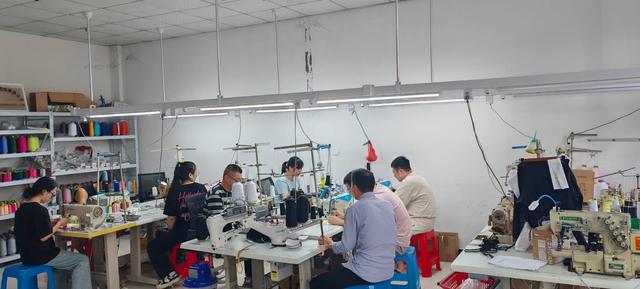
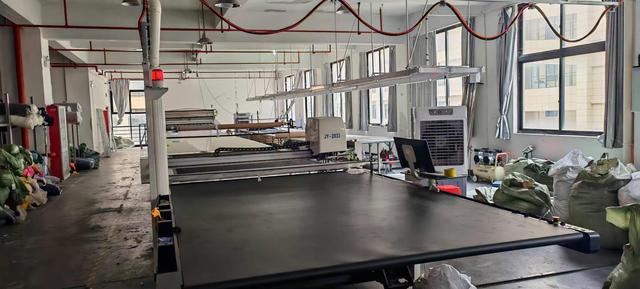
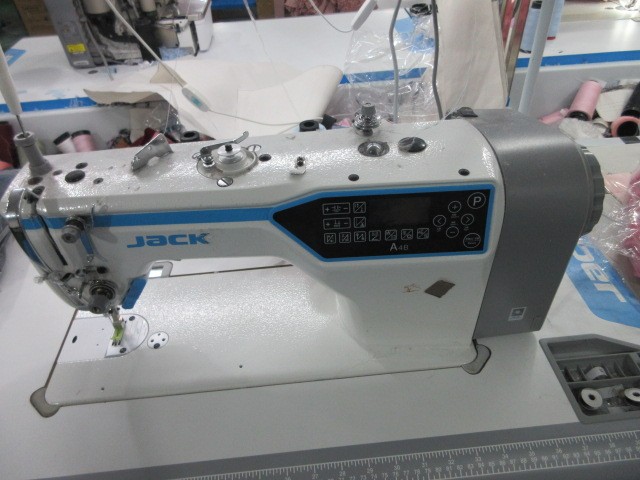
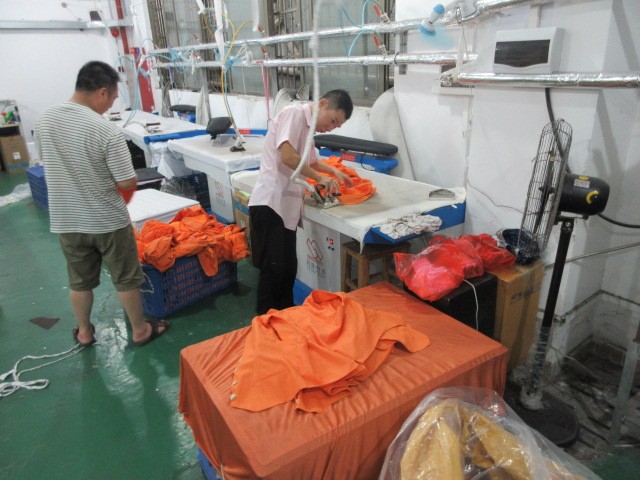
A visual overview of our cutting, stitching, washing, and quality inspection workflows
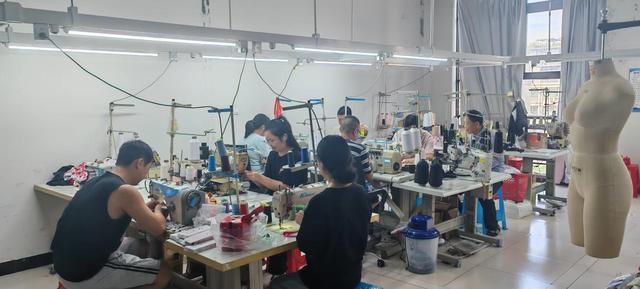
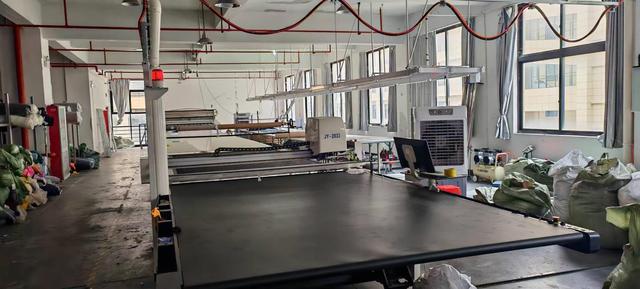
Key information regarding lead times, logistics, customs clearance, and ordering protocols
Get in touch with our sourcing team to discuss AGOA tariff exemptions, custom wash development, and project scheduling for your upcoming collections.
Start Your Project Now Dahab Fashion